
Infrastructure · Service
Water Storage & Pressure Systems
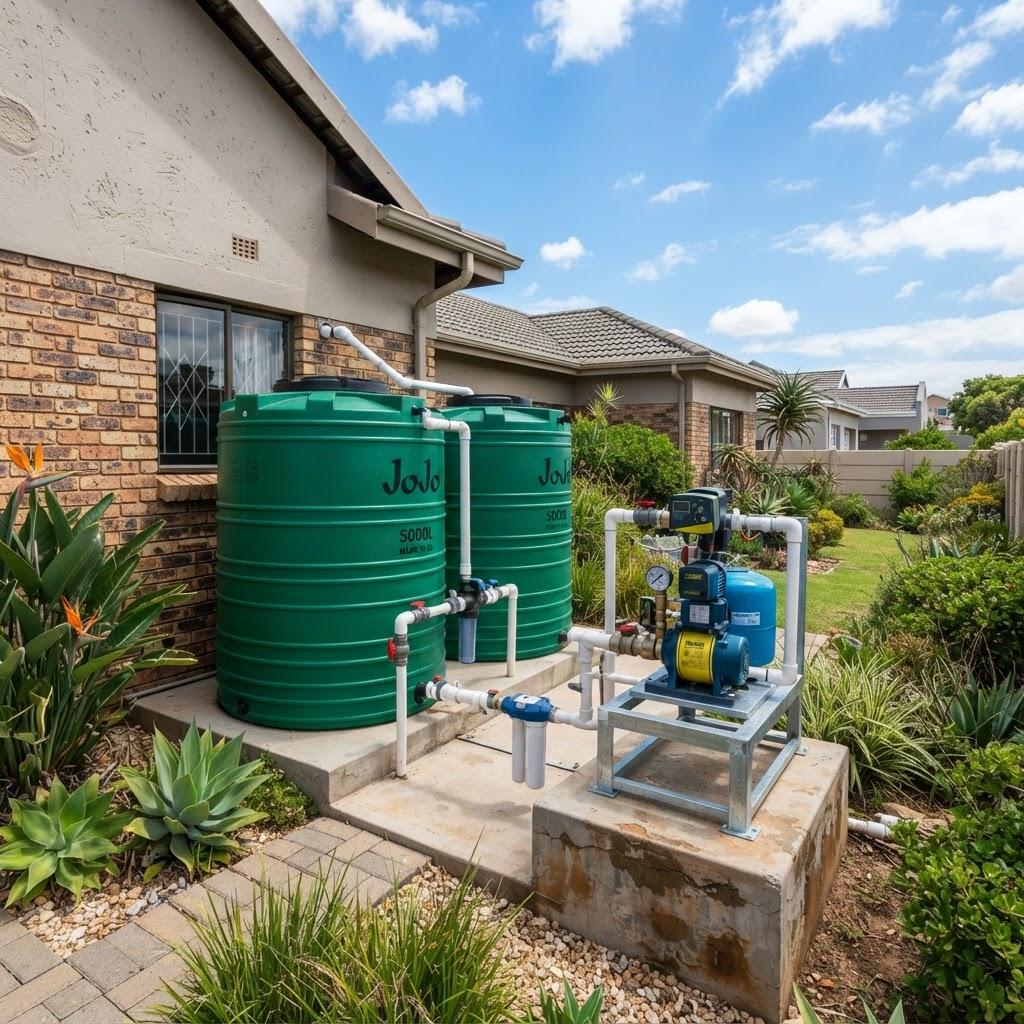
JoJo tanks, booster pumps, and pressure vessels.
What makes a borehole practical, day to day
Storing your water and delivering it at the right pressure is what makes a borehole practical day to day. We install storage tanks, booster pumps and pressure vessels so your taps, irrigation and appliances run smoothly.
A borehole can produce excellent water, but without the right storage and pressure setup behind it, that water is hard to actually live with. This is the stage that turns a working borehole into taps, irrigation and appliances that just work.
Call 078 038 0384Storage Tank Options
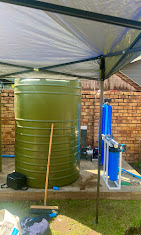
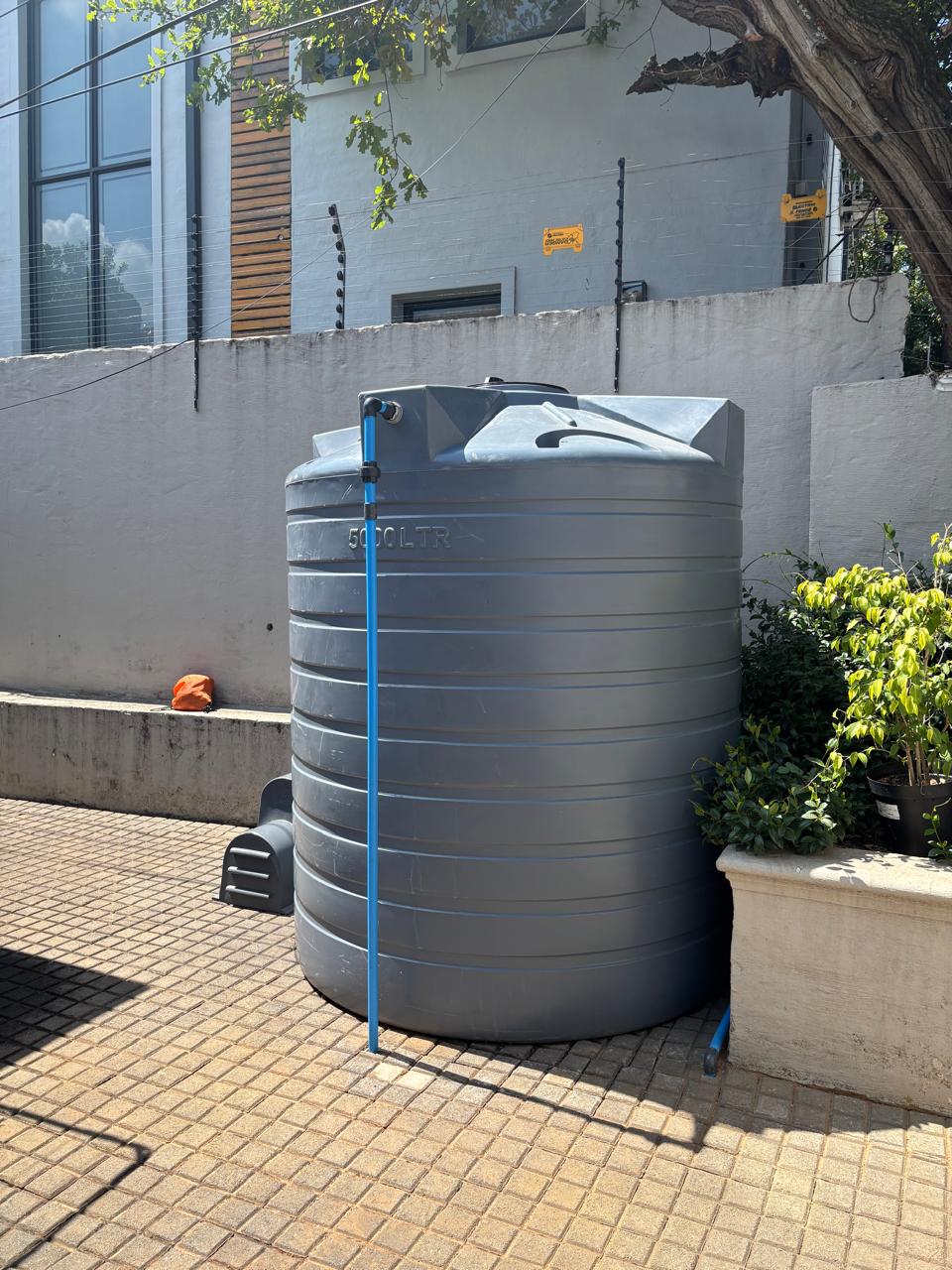
Plastic vertical tanks are the most common storage option for homes and farms across Gauteng. Sizing comes down to your daily usage and how many days of backup supply you want on hand if the pump is ever off for a period.
Where a tank sits also matters. An elevated tank on a stand can supply water by gravity alone, while a ground level tank is simpler to install but will usually need a booster pump to deliver proper pressure.
Booster Pumps and Pressure Vessels Explained
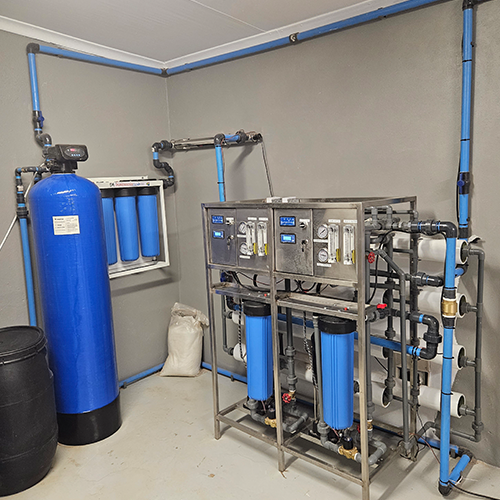
A booster pump raises water from your storage tank up to usable pressure for taps, irrigation and appliances, especially important where a tank is at ground level rather than elevated.
A pressure vessel works alongside the booster pump, storing a small amount of pressurised water and air. This smooths out the pump's on and off cycling, which reduces wear on the pump and gives steadier pressure at the tap instead of pulsing.
Borehole and Municipal Supply, Working Together
Many properties run borehole and municipal water together rather than choosing one over the other. This can be set up with the borehole as your primary supply and municipal water as backup, or the reverse, using a changeover or blending system.
This gives you the cost benefit and independence of borehole water day to day, with municipal supply available if your borehole is ever offline for maintenance.
Storage & Pressure Setup, Step by Step
- 01
Assess Daily Usage
We work through how much water your household or farm actually uses, and how many days of backup supply you want on hand.
- 02
Install Storage Tank
Tank size and position, elevated or ground level, are chosen based on your usage, available space and budget.
- 03
Booster Pump & Pressure Vessel
Where gravity alone will not deliver enough pressure, a booster pump and pressure vessel are installed to keep pressure steady at the tap.
- 04
Connect & Test
The system is plumbed into your property and tested under real household or farm conditions before we hand it over.
What's Involved
- Storage tank supply and installation
- Booster pump systems
- Pressure vessels and pressure control
- Plumbing and connection to the property
What Pairs Well With Storage & Pressure Systems
Storage & Pressure Questions Answered
How big a storage tank do I need?
This depends on your daily usage and how many days of backup supply you want on hand. We work through this with you based on your household or farm's actual water use rather than defaulting to a generic tank size.
Do I need a booster pump if I already have a storage tank?
Not always. If your tank is elevated high enough, gravity can provide adequate pressure on its own. Most ground level tank installations need a booster pump to deliver decent pressure to taps and appliances though.
What does a pressure vessel actually do?
A pressure vessel stores a small amount of pressurised water and air, which smooths out the booster pump's on and off cycling. This reduces wear on the pump and gives steadier pressure at the tap instead of pulsing every time a tap is opened.
Can I use my borehole and municipal water together?
Yes, many properties run both. This can be set up with the borehole as the primary supply and municipal water as backup, or the other way around, using a changeover or blending system depending on how you want the two sources to work together.
Should my tank be elevated or at ground level?
Elevated tanks can supply water by gravity alone, which reduces or removes the need for a booster pump, but cost more to install because of the stand structure. Ground level tanks are simpler and cheaper to install but almost always need a booster pump. We talk through which suits your site and budget.
Ready to secure your own water supply?
Speak to our team about a survey, a new borehole or getting your existing system back to full flow.