
The Core · Service
Borehole Drilling
Domestic, agricultural, and commercial drilling.
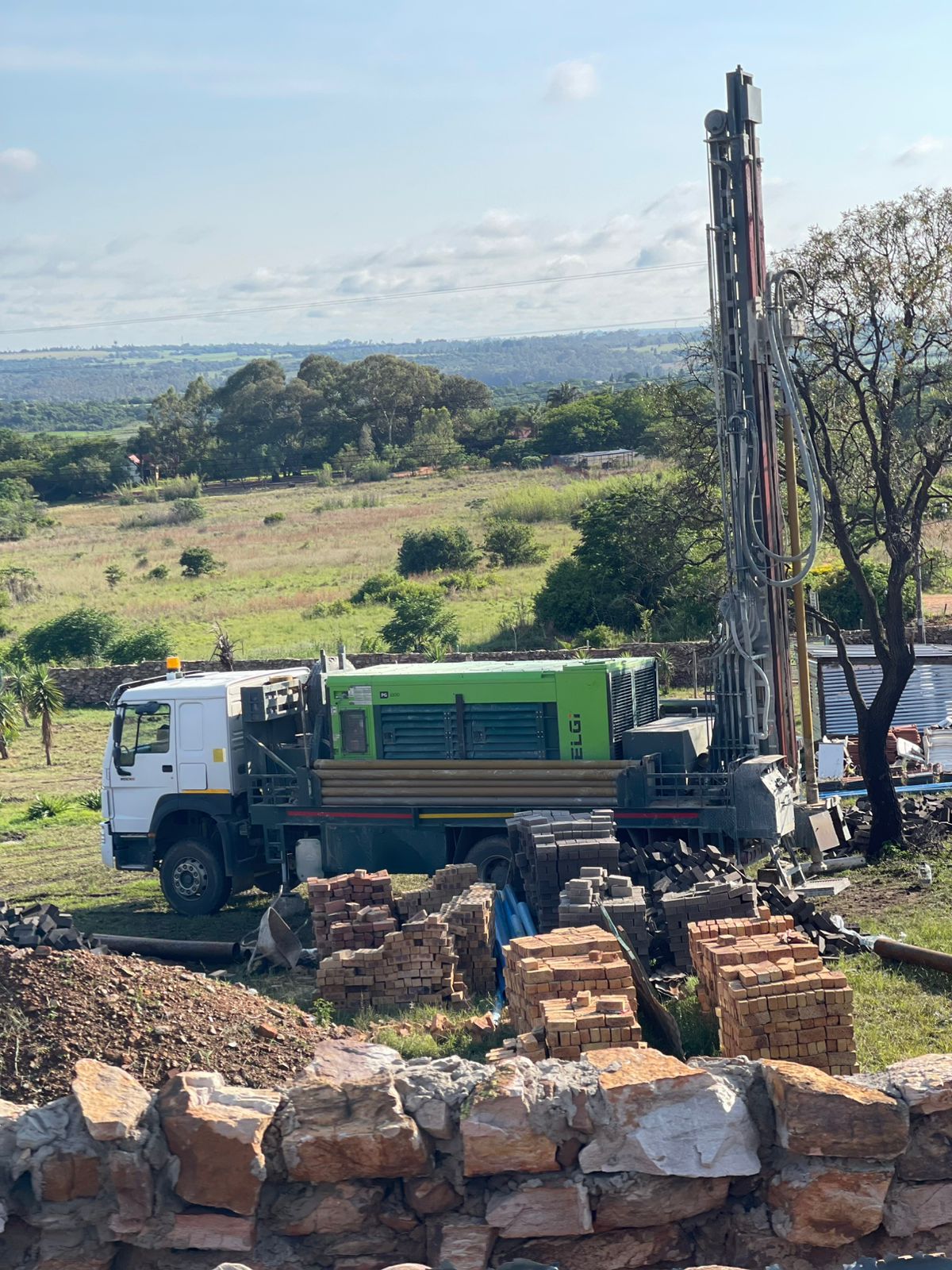
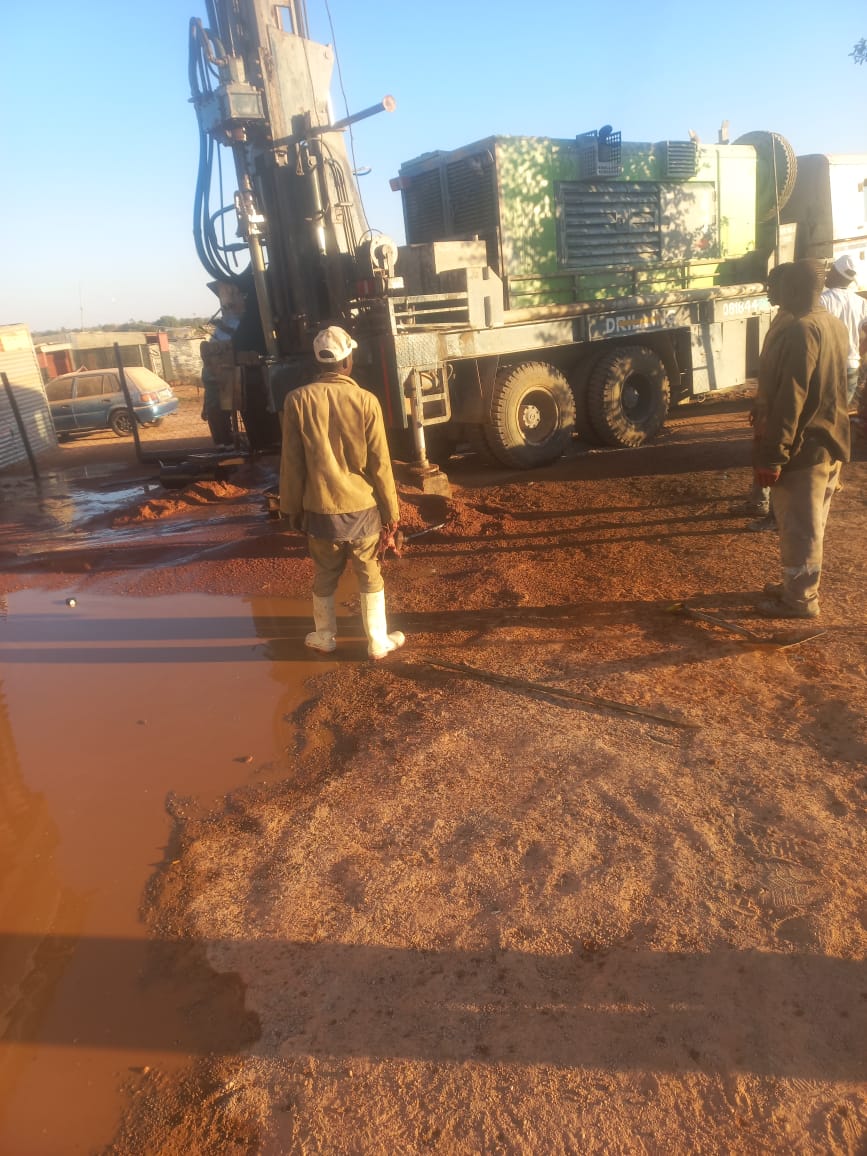
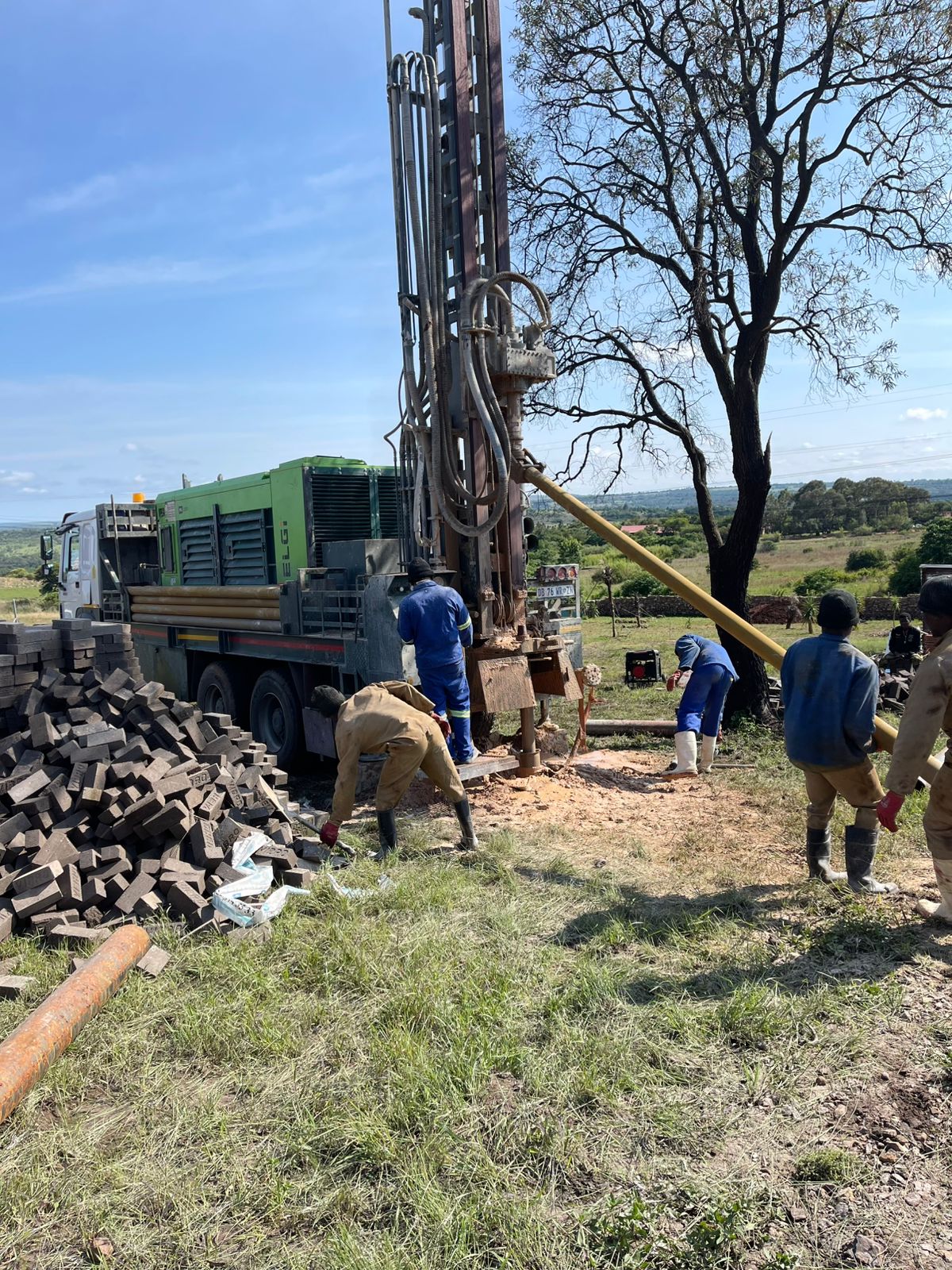 Onsite — Kempton Park
Serving Gauteng & Its Outskirts — Including Brits
Borehole Drilling Done Right — First Time
Our core service. We drill boreholes for domestic, agricultural and commercial use using well-maintained rigs and experienced operators. Every hole is drilled to reach a dependable, sustainable water supply.
Gauteng's geology varies considerably from one property to the next, and depths commonly range from 40 to 120 metres. What works on one site does not always work a few kilometres away, so we choose our drilling method and approach based on what we find at your specific location — whether that's Johannesburg, Pretoria, or out toward Brits.
- Free site assessment before you commit
- Percussion & rotary rigs — matched to your ground
- Gauteng and its outskirts, including Brits
- No water, no obligation to proceed*
*Confirm your actual guarantee wording before publishing — this is a placeholder.
Areas we cover: Johannesburg · Pretoria · Centurion · Midrand · Kempton Park · Randburg · Brits · and the greater Gauteng outskirts
Percussion or Rotary: Choosing the Right Method
We use both drilling methods, and select between them based on the ground conditions found at your property.
Percussion Drilling
A heavy drill bit is repeatedly lifted and dropped to break up the ground, with the loosened material removed as drilling continues. This method works well in looser or more variable ground and gives a clear read on the material being passed through at each stage.
Rotary Drilling
A rotating drill bit cuts through the ground continuously, using fluid or air to carry cuttings to the surface. This method is generally faster through consistent rock and is well suited to deeper holes.
Understanding Gauteng's Ground Conditions
Parts of Gauteng, including areas around Centurion and sections of the West Rand, sit on dolomitic ground. Dolomite is associated with sinkhole and subsidence risk, and drilling in these areas needs to be approached carefully. Other parts of the province — and areas further out like Brits — sit on harder quartzite and granite linked to the Witwatersrand geology, which drills differently again.
This is a large part of why two properties only a short distance apart can need very different depths and drilling approaches. Our water surveys and siting service exists to identify these conditions before a rig ever moves onto your property.
The Drilling Process, Step by Step
- 01
Confirming the Position
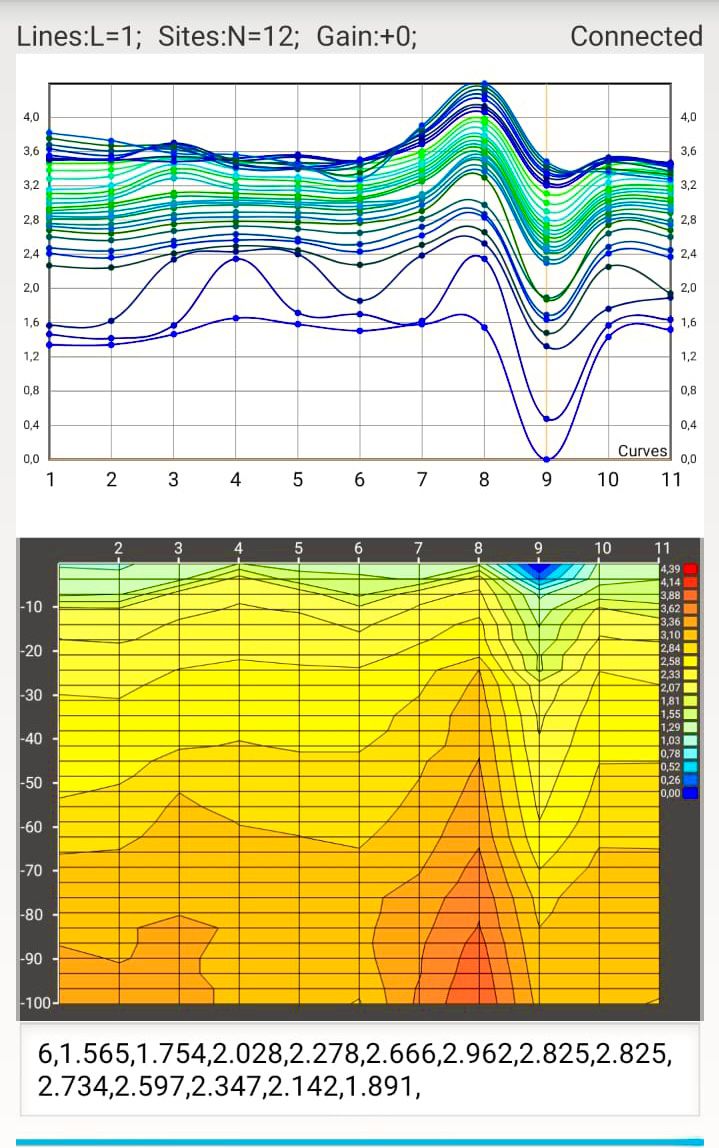
Drilling begins at the position identified during your water survey, where the strongest water bearing fracture zones were located.
- 02
Drilling Through the Ground
We drill using percussion or rotary methods, chosen based on the ground conditions at your specific site. Depth is logged throughout so we always know exactly what has been passed through.
- 03
Reaching Water Bearing Zones
As drilling reaches fractured rock or water bearing layers, we monitor for water strikes and continue to the depth needed for a dependable supply.
- 04
Site Left Clean
Once drilling is complete, we clear the site of cuttings and equipment, ready for casing, installation and yield testing to follow.
Ready to get water on your property? Get a free site assessment.
Suited to Your Property Type
Domestic Water Supply
Household boreholes are generally drilled to a smaller diameter and sized around typical daily household water use, though depth still depends on where water is found on your property.
Irrigation & Livestock
Agricultural boreholes often need to sustain higher volumes over longer periods, which affects casing size and the pump capacity installed afterward.
Commercial Developments
Commercial sites are often assessed with future demand in mind, so the borehole and its installation can support the property as usage grows.
What's Involved
- Percussion and rotary drilling to suit ground conditions
- Drilling of domestic, agricultural and commercial boreholes
- Depth logged and recorded throughout the process
- Site left clean and tidy on completion
What Gauteng Property Owners Say
“Drilled to spec, no surprises on price, and the site was left clean afterwards.”
“They found water at a depth two other companies said was dry ground.”
Borehole Drilling Questions Answered
What is the difference between percussion and rotary drilling, and how do you decide which to use?
Percussion drilling breaks up ground by repeatedly dropping a heavy bit, while rotary drilling cuts continuously using a rotating bit. We choose based on the ground conditions found at your specific property. Softer or more variable ground often suits percussion, while consistent rock is often faster to drill with rotary methods.
Does Gauteng have unusual ground conditions that affect drilling?
Yes. Parts of Gauteng, including areas around Centurion and the West Rand, sit on dolomitic ground, which is known for sinkhole and subsidence risk and needs careful handling during drilling. Other areas sit on harder quartzite or granite associated with the Witwatersrand geology. This is part of why depth and drilling time can vary significantly between properties that are only a few kilometres apart.
Do you drill outside of Johannesburg and Pretoria, like Brits?
Yes. We cover Gauteng and its outskirts, including Brits and surrounding areas. Ground conditions further from the metros can differ quite a bit, so we assess each site individually rather than assuming what worked closer to town will apply.
Will drilling disturb my garden or property?
There will be some disruption around the drilling position itself, mainly from the rig and the removal of drilled material. We keep the footprint as contained as possible and clean the site once drilling is complete.
What happens if you hit solid rock?
Hitting rock is a normal part of drilling in Gauteng and is factored into how we approach each site. It typically means slower progress rather than a stopped job, and our rigs and methods are chosen to handle it.
How is the exact drilling position chosen on my property?
The position comes from your water survey, where a geophysical survey identifies the strongest water bearing fracture zones. Drilling then takes place at the recommended position rather than an arbitrary spot on the property.
Ready to secure your own water supply?
Speak to our team about a survey, a new borehole or getting your existing system back to full flow.